
Accessorio professionale per violino e viola
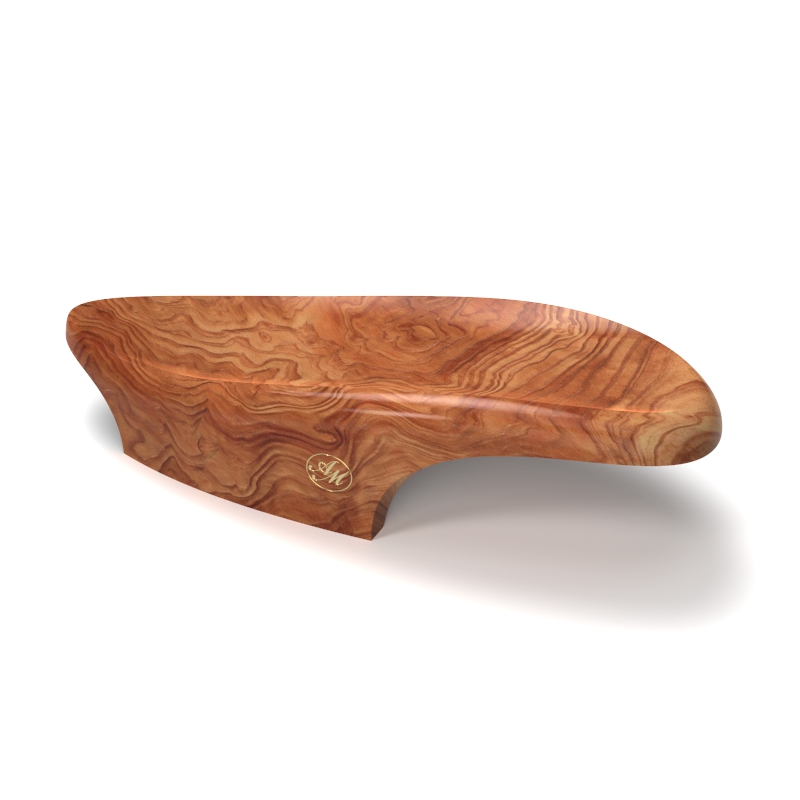
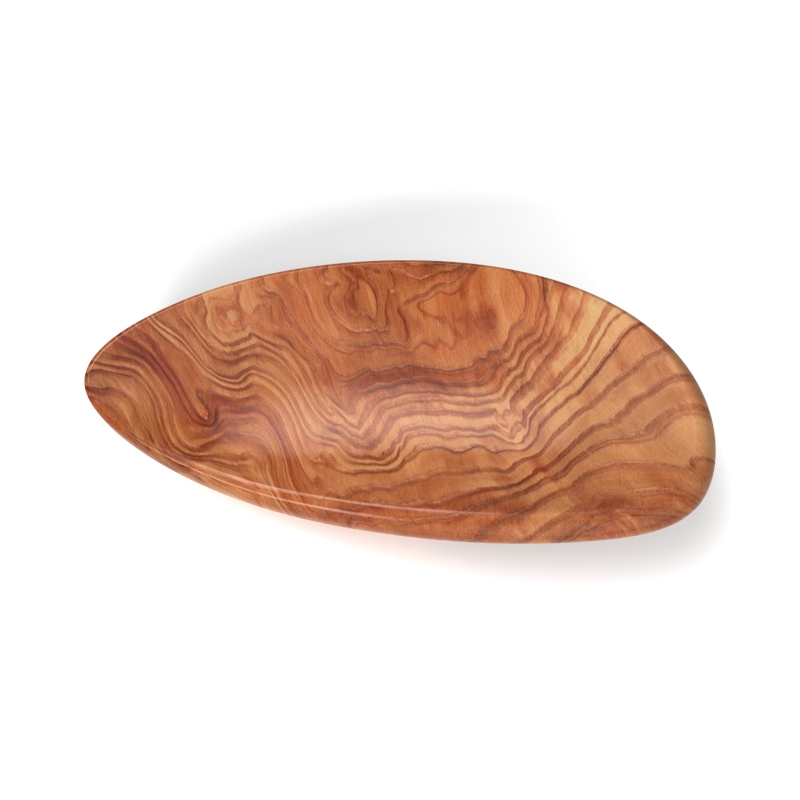
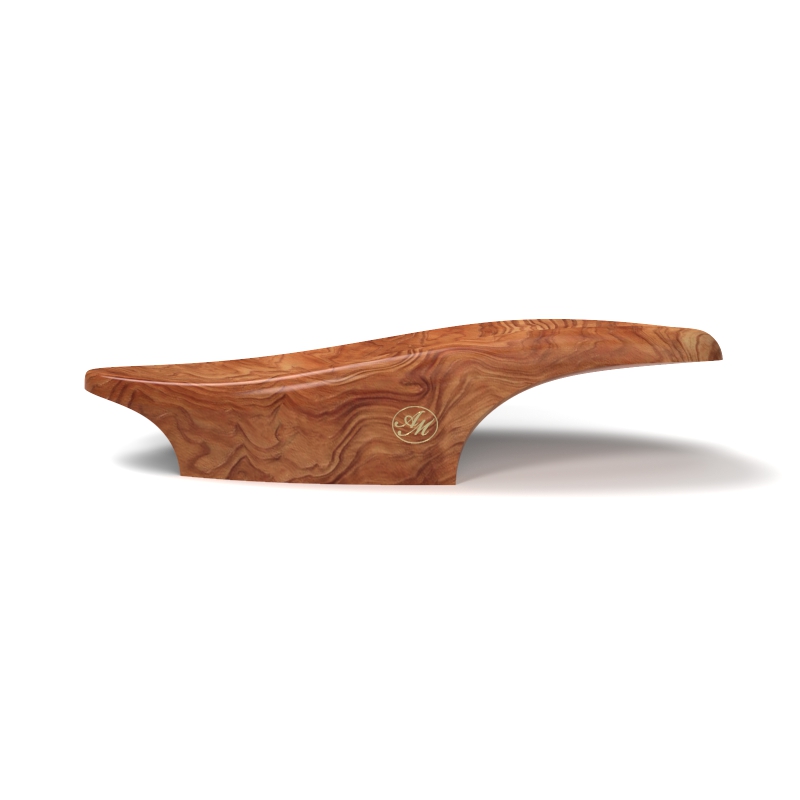
Mango Slim Violin Chinrest in Olive wood
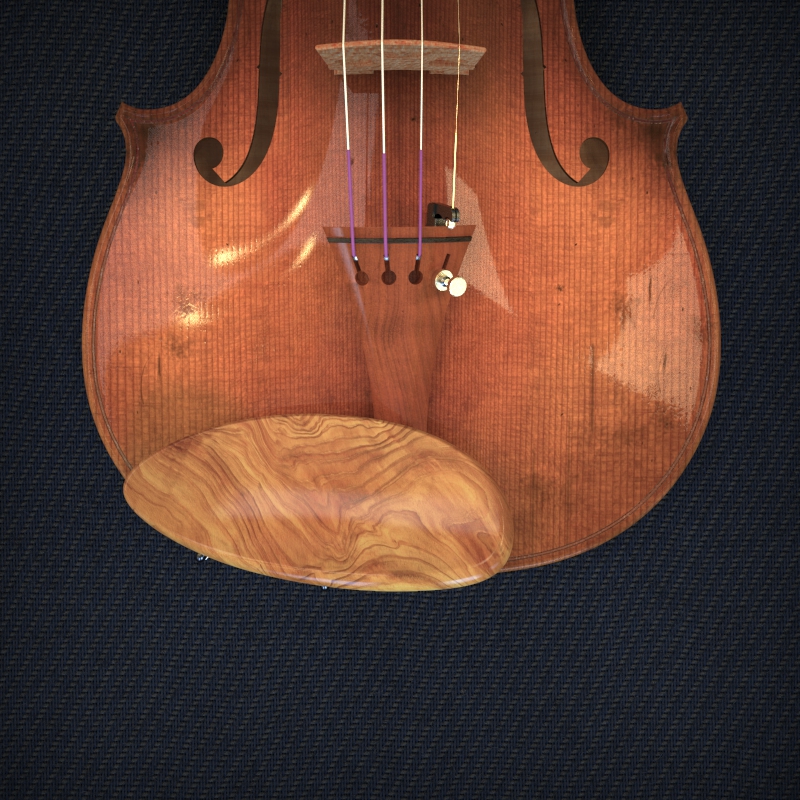
The Mango Slim chinrest belongs to the new Mango family (the "Mangoniere"): it is a slightly "slenderer" version. The core features remain the same: its significant height and unique shape promote better posture and greater relaxation of the neck and shoulder muscles. Ideal for those with a medium-to-long neck, the Mango Slim offers remarkable comfort both for players accustomed to a central position over the tailpiece and for those who prefer a more lateral "anchor." Furthermore, it allows for effortless transitions between positions during a performance, according to the player's needs.
Benefits
We know all too well that the violin is an unforgiving instrument. It is complex and fascinating, yet it forces us into a posture that is far from ideal. The neck, in particular, is subject to constant strain. With the Mango series chinrests, stress on the neck is significantly reduced, allowing for longer practice sessions with fewer "side effects."
Olive Wood
In my opinion, olive wood is one of the most beautiful woods our country has to offer. Every piece of olive wood is a work of art in itself. It is also a very hard wood. The only downside that might discourage its use is the high frequency of fissures.
Since it is a very "unstable" wood, it is not only subject to the classic end-grain checks that form at the top and bottom of a piece during seasoning. Unfortunately, it often presents micro-fissures even in its innermost parts. As a result, there is a significant amount of waste if one wants to find "sound" pieces suitable for crafting pegs and tailpieces.
Chinrests are more tolerant in this regard, as micro-fissures can easily be filled with resin without the risk of catastrophic structural failure over time. Consider, for example, a tailpiece: a rather thin piece of wood subject to the high tensile force of the strings; or a peg, which must withstand significant torsional stress during tuning.
In those contexts, even the smallest crack is unacceptable. For this reason, I have decided to limit the use of this particular wood exclusively to chinrests.