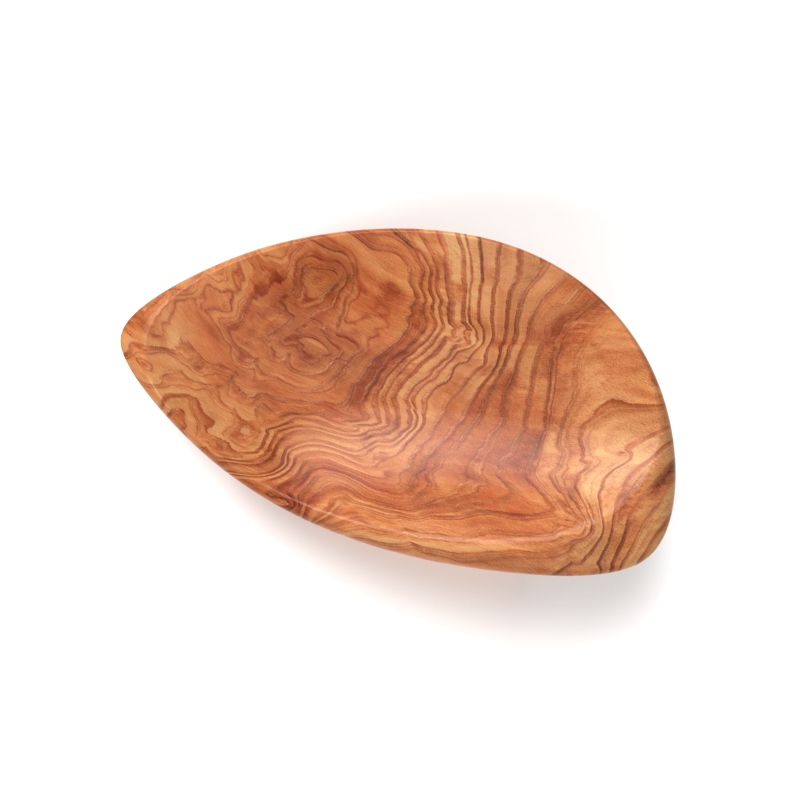
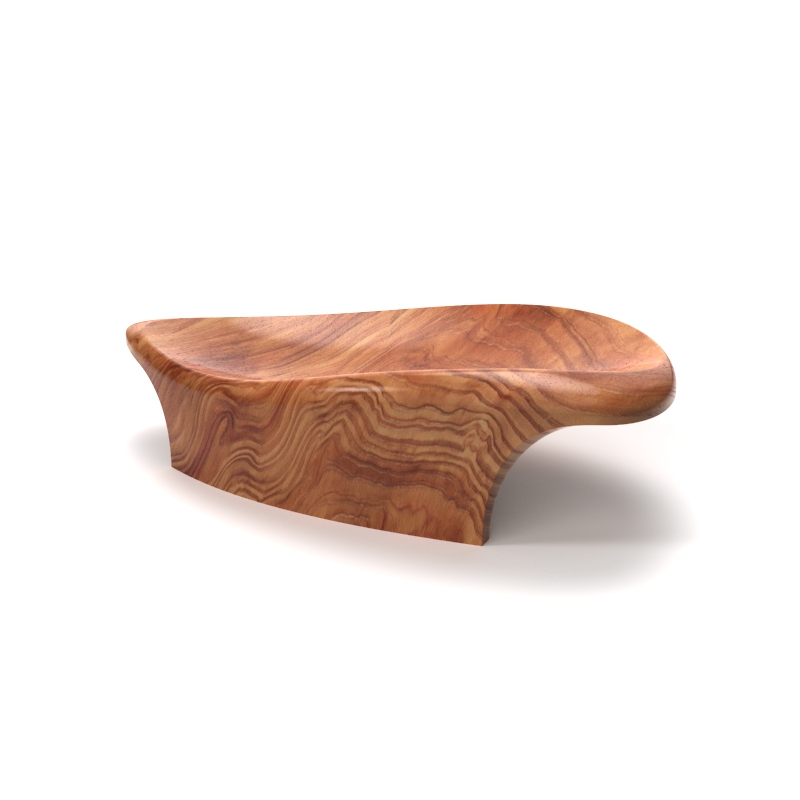
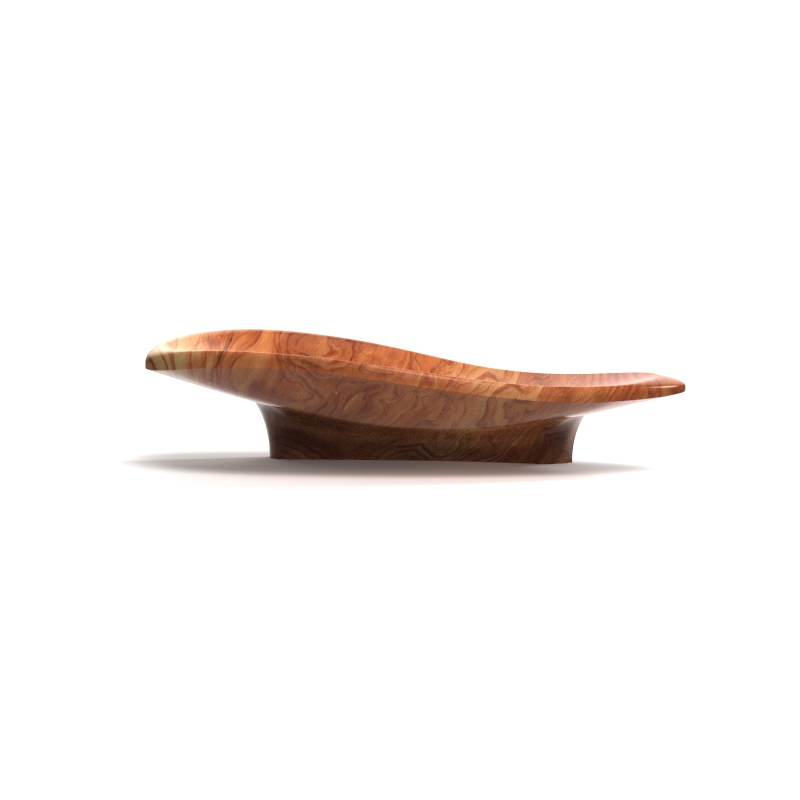
Viola Chinrest Almond in Olive Wood

Instrument:
viola
Wood:
Distanza in mm tra i forellini (opzionale per i modelli "hook" - lascia 0 per accettare la distanza standard di 40 mm).
Price:
Per vedere i prezzi accedi al sito o registrati

Almond Viola Chinrest in Olive wood

The chinrests of the Almond series are the result of a meticulous study of violin and viola posture.

It is essential to feel comfortable with your instrument at all times—from orchestral rehearsals and personal practice to solo performances. Unfortunately, instruments like the violin and viola are inherently "uncomfortable." The many hours spent playing often become a source of physical strain, particularly concentrated in the neck and cervical area. One can only imagine the disastrous impact this can have on performance and, ultimately, on daily life. (I say "our" because I was a musician myself and, as such, I have experienced these issues firsthand, in a sense "taxing" my own health).

While many factors can only be addressed through posture and relaxation techniques, the chinrest is an element that can be redesigned in terms of ergonomics. By using the right chinrest, we can alleviate discomfort and tension in the neck muscles.

It is no exaggeration to say that choosing the right chinrest is a fundamental step in a performer's professional growth. It improves the quality of time spent playing and, ultimately, makes life simpler and more comfortable.

Questa parte del testo è molto interessante perché traspone la tua esperienza diretta come artigiano. Ho mantenuto il tono colloquiale e onesto ("A mio parere", "Purtroppo") che trasmette grande competenza e affidabilità.

Characteristics of Olive Wood

In my opinion, this is one of the most beautiful woods our country has to offer. Every piece of olive wood is a work of art in itself. It is also a very hard wood. The only downside that might discourage its use is the high frequency of fissures and cracks.

Since it is a very "unstable" wood, it is not only subject to the classic end-grain checks that form at the top and bottom of a piece during seasoning. Unfortunately, it often presents micro-fissures even in its innermost parts. As a result, there is a high amount of waste if one wants to find "sound" pieces suitable for making pegs and tailpieces.

Chinrests are more tolerant in this regard, as micro-fissures can easily be filled with resin without the risk of catastrophic structural failure over time. Consider, for example, a tailpiece: a rather thin piece of wood subject to the high tensile force of the strings; or a peg, which must withstand significant torsional stress during tuning.

In those contexts, even the smallest crack is unacceptable. For this reason, I have decided to limit the use of this particular wood exclusively to chinrests.